




Common Samsung Appliance Problems and How to Prevent Them
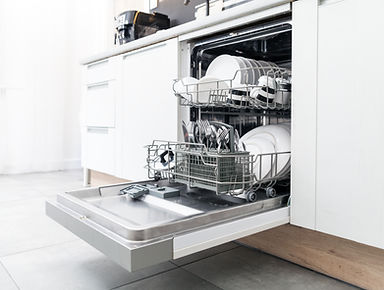
Samsung refrigerators are known for Twin Cooling Plus technology and spacious Family Hub models, but their advanced electronics mean the inverter compressor and defrost sensors are the parts most likely to fail — frost buildup in the freezer or an unusual humming noise are classic warning signs. Samsung's Digital Inverter washing machines rarely break down mechanically, but they're sensitive to overloading and mineral buildup, which shows up as UE (unbalanced load) error codes and excess vibration during the spin cycle. For Samsung dryers, the most common service call is a clogged lint filter or condenser unit, which makes drying times longer and raises the risk of overheating. Samsung dishwashers most often suffer from clogged spray arms and a dirty coarse filter — if dishes come out with spots or an odor, that's usually the first place to check. Samsung gas ranges and ovens with electronic ignition are sensitive to dirty igniters — carbon buildup is the most common reason a burner clicks but won't light.
To keep your Samsung appliances running longer, follow a few simple habits: don't load the washer drum past about 80% of its rated capacity, run a drum self-clean cycle every 1–2 months, and clean the pump filter every 2–3 months. In the refrigerator, don't block the vents with food and wipe down the door gaskets twice a year. Clean the dryer's lint filter after every load and the condenser every 2–3 months. In the dishwasher, check the filter at the bottom of the tub regularly and run a descaling cleaner once a month. If you notice unusual noises, error codes on the display, or leaks despite regular maintenance, don't wait to schedule a diagnostic — catching problems early is almost always cheaper than replacing a major component.